

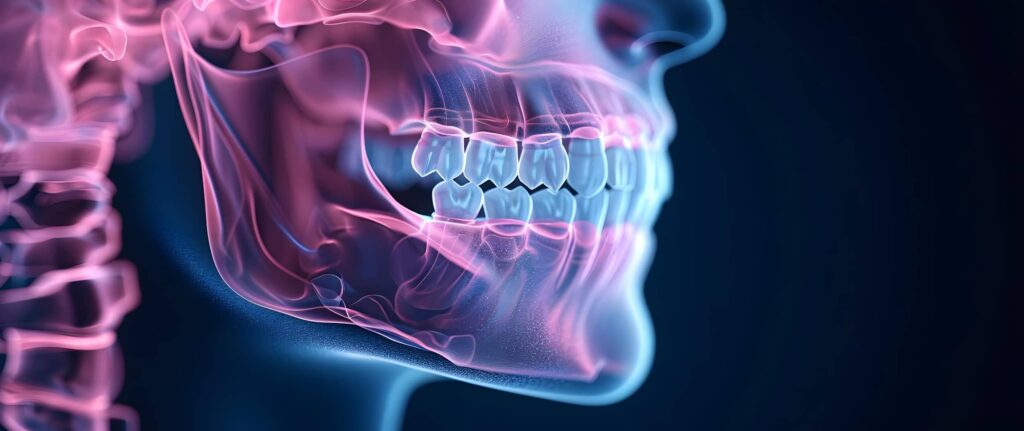
Here’s a scenario that might sound familiar: you wake up with a dull headache, a sore jaw, or a feeling of tension across your face. Maybe your partner has mentioned that you make grinding or clenching sounds in your sleep. Or perhaps you’ve noticed that your teeth seem flatter, shorter, or more chipped than they used to be.
If any of this rings a bell, you might be grinding your teeth — and you’re in very good company. Bruxism (the clinical term for teeth grinding and clenching) affects a significant proportion of the population, and it’s particularly common in high-stress environments. Living and working in a fast-paced city like Dubai? The prevalence is considerable.
The tricky part is that many people don’t realise they’re doing it until the damage is already underway.
What is bruxism, exactly?
Bruxism comes in two forms. Sleep bruxism happens unconsciously while you sleep — you clench your jaw or grind your teeth rhythmically, sometimes with surprising force. Awake bruxism involves clenching or grinding during the day, often in response to stress, concentration, or anxiety.
The forces involved are remarkable. Normal chewing puts around thirty to forty pounds of pressure on your teeth. During sleep grinding, that force can exceed two hundred and fifty pounds. That’s enough to crack teeth, fracture dental restorations, and cause serious structural damage over time.
The signs and symptoms
Because sleep bruxism happens unconsciously, many people are unaware of it. But the clues are usually there if you know what to look for.
Common symptoms include waking up with a headache (particularly around the temples), jaw pain or stiffness — especially in the morning, increased tooth sensitivity, teeth that look worn, flattened, or chipped, a tired or tight feeling in the jaw muscles, pain or ringing in the ears, and disrupted sleep (yours or your partner’s).
During a routine check-up at Hey Dental, our doctors will often spot the tell-tale signs of bruxism before a patient has even mentioned any symptoms. Worn-down tooth surfaces, microcracks in enamel, and changes in bite alignment are all visible to an experienced eye.
Why does it happen?
Stress is the number one driver of bruxism, and it’s not hard to see why it’s so prevalent in Dubai’s high-pressure professional environment. Anxiety, suppressed anger or frustration, and even just an intense, always-on lifestyle can all trigger clenching and grinding.
But stress isn’t the only factor. Sleep disorders (particularly sleep apnoea) are strongly associated with bruxism. An abnormal bite or missing teeth can also contribute. Certain medications — including some antidepressants and ADHD medications — list bruxism as a side effect. And lifestyle factors like excessive caffeine or alcohol intake, smoking, and recreational drug use can all make it worse.
The damage it can do
Left unchecked, bruxism can cause a cascade of problems. Enamel wear is the most common consequence — once enamel is gone, it doesn’t grow back, leaving teeth vulnerable to sensitivity, decay, and fractures. Teeth can crack or chip, existing dental work like fillings and crowns can break, and in severe cases, teeth can become loose.
Beyond the teeth themselves, chronic bruxism can lead to temporomandibular joint (TMJ) disorders, causing persistent jaw pain, clicking, locking, and difficulty opening the mouth fully. Headaches, facial pain, and neck tension are also common knock-on effects.
What can be done about it?
The good news is that bruxism is very manageable once it’s identified. The most common and effective treatment is a custom-made night guard (also called an occlusal splint). This is a precisely fitted appliance that you wear while you sleep. It doesn’t stop you from clenching, but it creates a barrier between your upper and lower teeth, absorbing and distributing the grinding forces so your teeth aren’t damaged.
At Hey Dental, take precise digital impressions to create night guards that fit perfectly and are comfortable enough that you’ll actually wear them. A poorly fitting, bulky guard that you leave in your drawer isn’t protecting anything.
Addressing the underlying causes is equally important. Stress management techniques — whether that’s exercise, meditation, therapy, or simply better boundaries around work — can make a significant difference. If a sleep disorder is suspected, referral to a sleep specialist may be recommended. And if your bite is contributing to the problem, your dentist can discuss options to correct it.
For patients with significant jaw pain or TMJ symptoms, additional treatments might include physiotherapy, muscle relaxants (short-term), or Botox injections into the jaw muscles to reduce their activity.
Don’t wait for the damage to tell you
The best time to address bruxism is before you’ve got cracked teeth and chronic jaw pain. If you recognise any of the symptoms mentioned above — even mild ones — bring it up at your next dental appointment. Or better yet, book one specifically to discuss it.
At Hey Dental in Jumeirah Lake Towers, we are experienced in diagnosing and managing bruxism. Whether you need a night guard, stress management guidance, or treatment for damage that’s already occurred, the first step is always a thorough assessment. Your teeth are built to last a lifetime — but only if you protect them from the forces they weren’t designed to endure.
If you’ve been waking up with headaches or jaw tension and putting it down to stress or a bad pillow, it’s worth considering whether your teeth might be part of the picture. A quick check with your dentist can confirm whether bruxism is at play — and getting ahead of it now could save you from significantly more complex treatment later. Think of a night guard as an insurance policy for your smile: a small investment today that protects a much larger one tomorrow.